
The growing prevalence of electronic devices and power electronics circuits has made power quality a paramount concern in electrical grids. However, these technological advancements have also contributed to a surge in harmonic-related issues within electrical networks. Mitigating harmonics is the initial step, and the LV Detuned Reactors are a pivotal device for this purpose. Facilities with nonlinear loads that generate harmonics necessitate a power factor correction system equipped with detuned reactors.
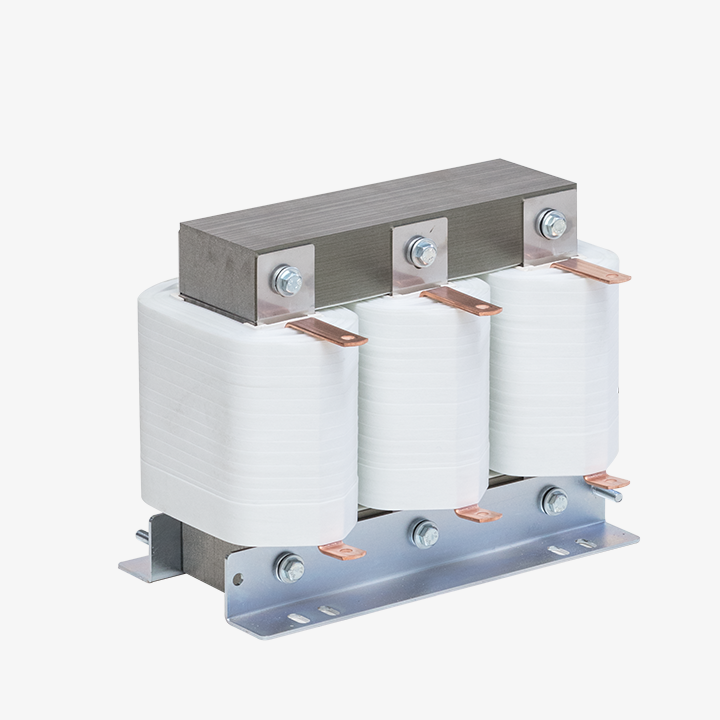
LV Detuned Reactors
Power Factor Correction Systems
What is a Detuned Reactor?
Harmonic filters, also known as detuned reactors, consist of a coiled structure that creates a fixed impedance load, with their design based on specific calculations. Detuned reactors are employed to regulate harmonic distortions and enhance the reliability of power grids. Their designs are precisely calculated to mitigate the effects of harmonics and ensure the efficiency of electrical systems. These filters play a crucial role in power transmission and distribution, as they help minimize the issues caused by harmonic distortions. LV Detuned Reactors form a series-tuned circuit with capacitors, preventing the overall current and voltage harmonic distortion rates from rising in facilities, and additionally, they prevent resonance from occurring.
Operating Data
| Rated Voltage | 230-1000V |
| Rated Power | 3…1000kVAr |
| Rated Frequency | 50/60Hz |
| Detuning Degree | 5.67%, 7%-14% |
| Inductivity Tolerance | ± 3% |
| Insulation (winding-core) | 3kV |
| Phase | 1-3 |
Standard
- EN60076 – 6, EN 61558-2-20
- CE Conformity
Safety and Protection
| Protection Class | IP00, Indoor mounting |
| Insulation | F Class, 155ºC |
| Impregnation | H Class Vacuum Varnish Impregnation |
| Cooling | Natural Cooling/T40 |
| Temperature Switch | 125ºC, 1NC at Middle Phase |
Design
| Design | Iron Core, Dry Type |
| Winding | Aluminium Foil, Copper or Aluminium Wire |
| Core | Steel Sheet Ensuring Low Loss |
| Terminals | Terminal Blocks or Cable Lugs or Copper Bar |
What is a Harmonic Filter Reactor?
The simplest answer to “What is a Harmonic Filter Reactor?” is that harmonics refer to the generation of varied waveforms that deviate from the ideal sinusoidal shape of current and voltage waves in electrical grids. . Under optimal conditions, the voltage and current waves in electrical distribution networks should maintain a pure sinusoidal shape. However, many contemporary electrical appliances and loads introduce distortions, resulting in the generation of varied waveforms that increase harmonic distortions in the electrical grid.
How is a Harmonic Filter Selected?
What are the criteria for the selection of harmonic filters, which are such an important piece of equipment? The selection of harmonic filters, which are critical equipment, is an important process. Mitigating or regulating harmonics is essential for the reliability and efficiency of power grids. Consequently, experts frequently employ harmonic analysis and filtering techniques. These analyses identify the sources of harmonics and develop appropriate remedial actions. Additionally, harmonics should be factored into the design of electrical devices and equipment to minimize their impact. Primary sources of harmonic distortion include power control components, saturated transformers, furnaces and welding machines.
Let us now take a look at the process of “selecting a harmonic filter”:
- Power Quality Measurement: The first step is to perform a comprehensive analysis of the existing harmonic levels. This involves identifying the type, frequency, and magnitude of the harmonics present, which is critical for selecting the appropriate filter. The harmonic analysis should be conducted using Class A Power Quality Measurement Devices to ensure accurate and reliable data collection.
- The Load Profile: The selection of harmonic filters should be based on the specific load profile. The level and type of harmonic distortion present in the load can be a decisive factor in the filter selection process.
- The Type of the Filter: Harmonic filters are available in various types, so it is important to choose the right type for the application. Passive filters, active filters, voltage filters, current filters, and hybrid filters should be considered based on the specific requirements.
- The System : The harmonic filter should be selected based on the system in which it will be used. Filters for industrial facilities, transmission lines, or distribution systems may have different characteristics and requirements.
- The Cost and Efficiency: The cost and efficiency of the filter should also be taken into account. The selected filter should be affordable and, at the same time, enhance the overall energy efficiency of the system.
Benefits of Detuned Filter Reactors
Maintaining power quality and safety are paramount concerns in today’s electrical systems. However, mitigating and managing harmonic distortion in complex electrical infrastructures such as industrial plants and commercial buildings can be a significant challenge. In this context, the use of detuned reactors serves as an integral solution for improving the reliability and efficiency of installations. Detuned reactors are an essential means of controlling harmonic distortion and increasing the reliability of power systems. They eliminate the prospect of resonance, extend the service life of capacitors, prevent the escalation of harmonic currents and reduce unexpected maintenance and repair costs. As a result, the use of detuned reactors is a critical component in ensuring the reliability and efficiency of modern electrical systems. The benefits of detuned filter reactors include;
- Elimination of Resonance Risk: Detuned reactors mitigate the risk of capacitor resonance and overall system resonance. This helps avoid resonance-related problems and enhances the reliability of electrical systems.
- Harmonic Current Suppression: Detuned reactors prevent the rise of harmonic currents, minimizing harmonic distortions in the electrical grid. This improves the safety and efficiency of industrial equipment while improving power quality throughout the system.
- Capacitor Service Life Extension: Detuned reactors prevent capacitor overloading, protecting them from damage and extending their service life. This reduces maintenance costs in energy systems and increases overall reliability.
- Reduced Unexpected Maintenance Expences: The use of detuned reactors helps lower unexpected maintenance and repair expenses in power systems. This allows for decreased production downtime and minimized energy losses.
Characteristics of Detuned Filter Reactors
In today’s complex electrical systems, reliability and efficiency are directly related to the characteristics and performance of electrical equipment. In this regard, detuned reactors are critical for ensuring the stability of energy systems and optimizing power quality. The characteristics offered by detuned reactors are designed to meet the needs of modern electrical systems. The characteristics of Detuned Filter Reactors include:
Low-Loss:
Detuned reactors possess a low-loss structure, which enhances the efficiency of energy systems. This feature minimizes energy losses and reduces operational costs in electrical systems.
High Linearity:
The high linearity characteristic ensures stable and reliable performance for detuned reactors. This improves their ability to control harmonic distortions in electrical systems and extends their service life.
Overheating Protection:
Detuned reactors offer protection against overheating, providing a safe operating environment. This feature ensures the longevity of the equipment and enhances the overall system safety.
Extended Operational Lifespan:
Detuned reactors are designed for extended service life using durable materials and high-quality production techniques. This feature reduces maintenance and repair costs in energy systems while increasing system reliability.
Copper Terminals:
Copper terminals help detuned reactors achieve high transmission efficiency. This feature minimizes energy losses in electrical systems and enhances overall system performance.
Varnished Under Vacuum:
The varnished under vacuum structure increases the durability and insulation properties of detuned reactors. This enhances the equipment’s resistance to environmental conditions, making it well-suited for long-term use.
Noiseless Performance:
Detuned reactors provide a quiet working environment, offering comfort in workplaces. This feature ensures the quiet and efficient operation of electrical systems.
Ergun Elektrik LV Detuned (Harmonic Filter) Reactors
Ergun Elektrik designs and manufactures LV detuned reactors tailored to the capacitance value and tuning frequency of the associated capacitor. For more information about our LV Detuned (Harmonic Filter) Reactors and other products, feel free to contact us.


